Core Skills Analysis
Art
- Developed observational skills by noticing natural patterns, textures, and colors in the landscape at the grave site.
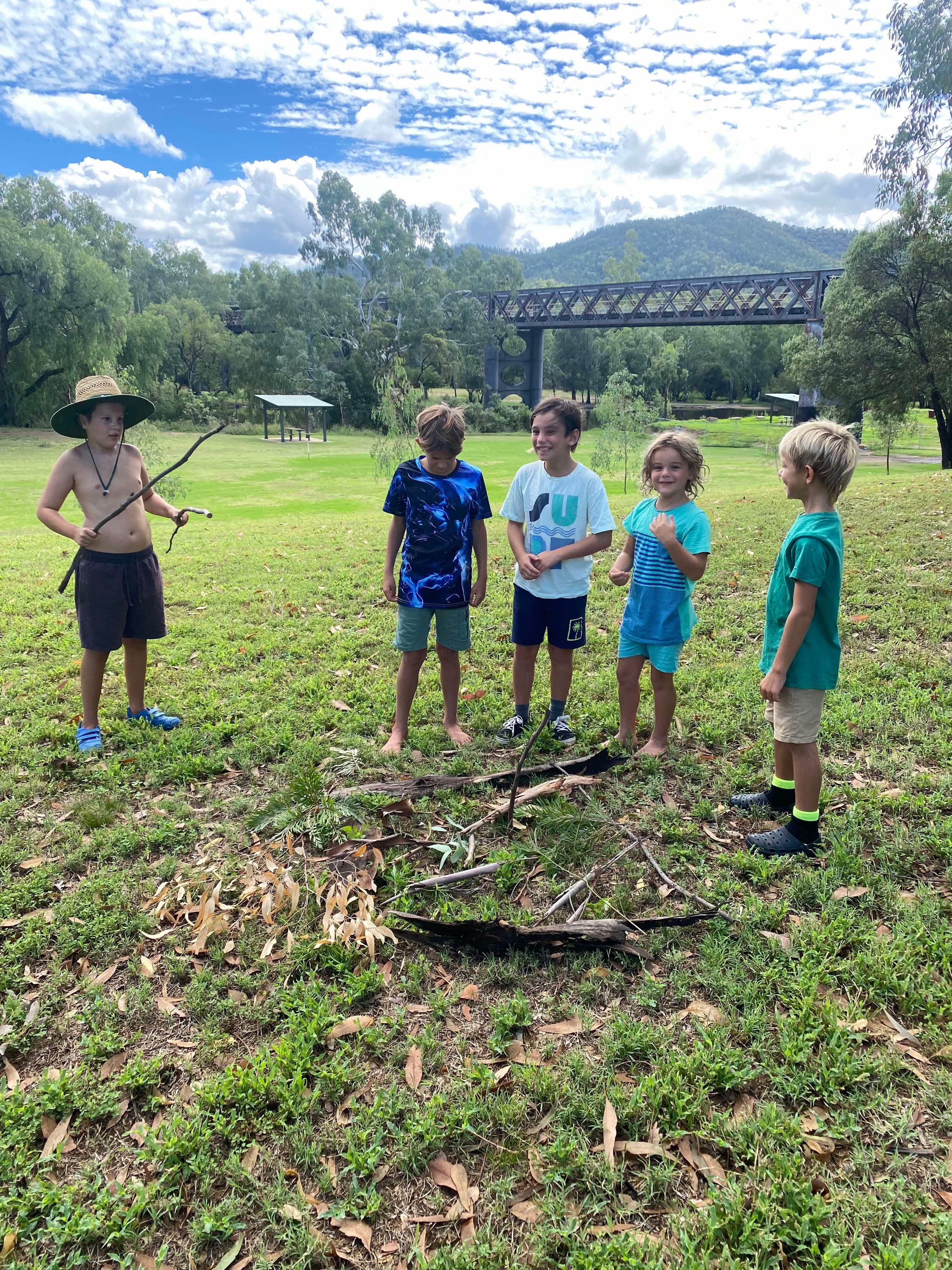
- Engaged in creative play using sticks and leaves to create natural art, enhancing fine motor skills.
- Discussed the cultural significance of indigenous art, linking traditional methods to contemporary practices.
- Explored the concept of storytelling through art by learning how indigenous peoples use visual representations to convey stories.
English
- Improved communication skills through discussions about their experiences and observations at the site.
- Expanded vocabulary by learning indigenous terminology related to culture and history.
- Developed narrative skills by sharing stories or reflections on the visit with peers.
- Practiced descriptive writing by documenting their thoughts and impressions of the grave site and its surroundings.
Foreign Language
- Engaged with local indigenous languages or terminology, enhancing cultural understanding.
- Developed an appreciation for linguistic diversity through exposure to indigenous names and phrases.
- Practiced pronunciation and recognition of new words during the visit.
- Built listening skills through guided tours and discussions with group leaders.
History
- Learned about the significance of the indigenous grave site, understanding its cultural and historical context.
- Explored the histories of indigenous peoples in Australia through storytelling and site descriptions.
- Engaged in discussions comparing their own cultural histories to those of indigenous peoples.
- Reflected on the impact of colonization on indigenous communities and their heritage.
Math
- Applied basic measurement skills while exploring the layout of the grave site and measuring distances using natural landmarks.
- Developed spatial awareness by understanding the arrangement of the grave site within its environment.
- Engaged in counting through collecting items like sticks or leaves for their creative play.
- Discussed patterns and sequences in nature, enhancing mathematical thinking through observation.
Music
- Developed auditory skills by listening to sounds in nature, fostering appreciation for environmental music.
- Learned traditional songs or chants from indigenous cultures, linking music to cultural practices.
- Participated in rhythmic activities using natural objects, engaging in creative movement.
- Explored the role of music in storytelling and cultural expression among indigenous peoples.
Physical Education
- Engaged in physical activities during exploration of the grave site, enhancing coordination and balance.
- Participated in group games that promote teamwork and social interaction.
- Explored outdoor movement, such as climbing or navigating natural terrain, promoting fitness.
- Learned about the importance of respecting the environment while being active outdoors.
Science
- Investigated local flora and fauna during the visit, enhancing understanding of ecosystems.
- Learned about environmental conservation and the significance of preserving indigenous sites.
- Explored concepts of geology and geography related to the grave site's location.
- Engaged in discussions about the relationship between nature and indigenous cultural practices.
Social Studies
- Gained insight into indigenous cultures, traditions, and their perspectives on land ownership and heritage.
- Participated in discussions about social justice and the importance of recognizing indigenous rights.
- Learned about community roles and how indigenous communities support each other.
- Explored the concept of identity, focusing on how land and culture shape social structures.
Tips
To further enhance Xavier's learning experience, incorporate additional field trips to various indigenous sites or cultural centers to expose him to diverse viewpoints. Encourage him to engage in reflective journaling about his experiences and discoveries. Incorporate more interactive storytelling sessions around indigenous legends, which could also be linked to creating art or drama projects based on these narratives. Use technology to research indigenous cultures and histories, fostering a deeper understanding. Encourage group discussions to share insights learned from each visit.
Book Recommendations
- Welcome to Country by Bunny McDiarmid: A heartfelt introduction to Australia’s Indigenous cultures, inviting young readers to connect with the land and its stories.
- Our Home, Our Heartbeat by Pauline Loh: A beautiful exploration of Indigenous connections to land and culture in Australia, perfect for young readers.
- The Shark Caller by Dianne Wolfer: Follows a young girl on a journey of self-discovery intertwined with Indigenous culture and connection to the sea.
Learning Standards
- Australian Curriculum: ACARA HASS, ACARA English, ACARA Arts
- Autism Level 2: Engaging in social settings and developing communication skills
- ADHD: Foster concentration and focus during outdoor educational activities