Core Skills Analysis
Art
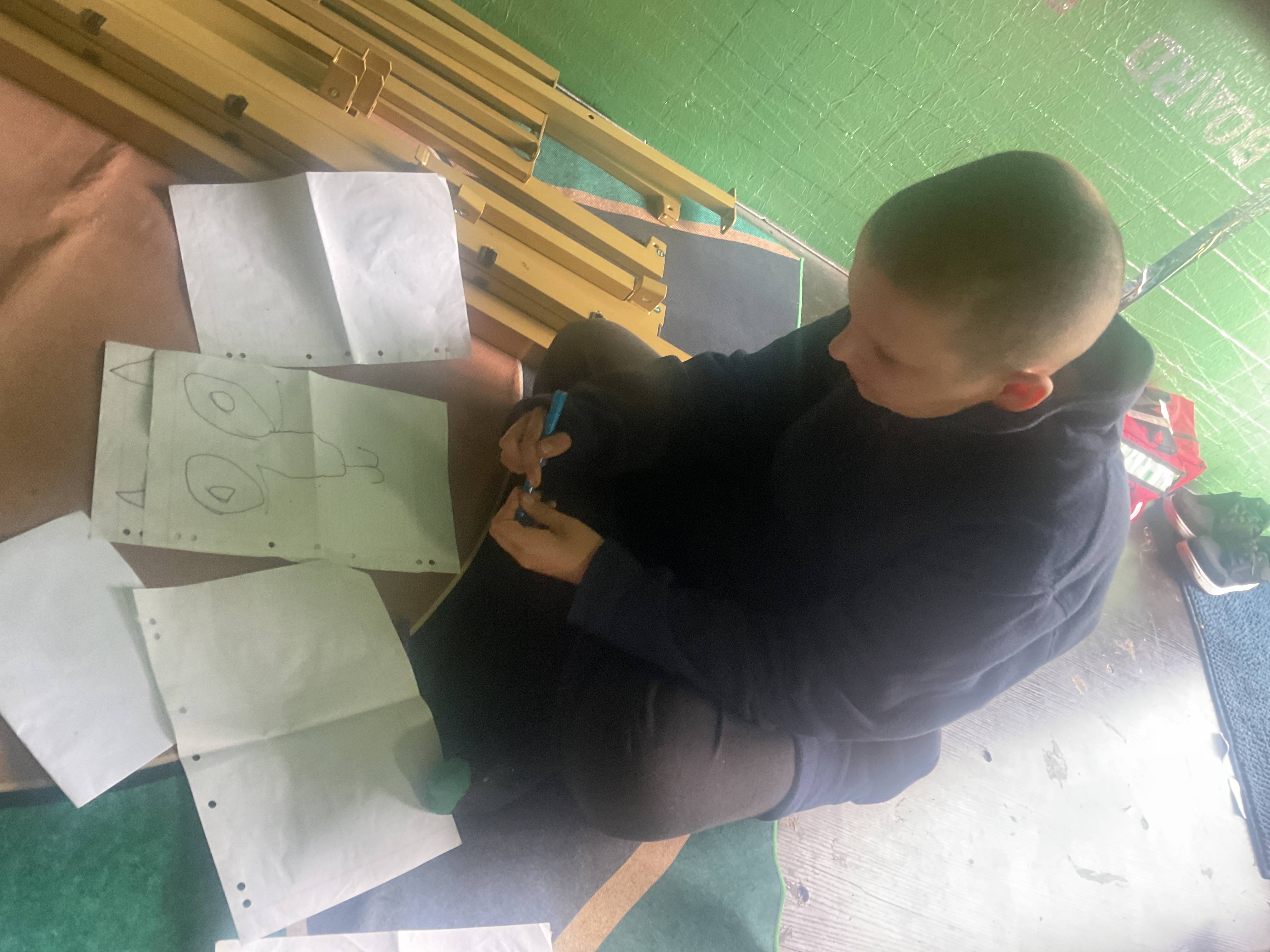
- The student demonstrated creativity by inventing unique characters, enhancing his imaginative skills.
- Experimentation with different shapes and facial features helped him explore basic design principles.
- He utilized spatial awareness in positioning his drawings on the paper, indicating an understanding of layout and composition.
English
- The student subtly practiced storytelling by imagining backstories for his drawn characters.
- He may use descriptive language in dialogues or captions that could accompany his drawings in future projects.
- Engaging in this activity promotes vocabulary development related to art and character description.
Foreign Language
- Drawing characters can lead to exploration of names and terms in another language, enriching vocabulary.
- He could be encouraged to label his characters in a foreign language, reinforcing language integration.
- The activity supports cultural understanding if characters are inspired by stories from different cultures.
History
- Creating characters may spark interest in historical figures or myths, linking art to historical context.
- He could explore artistic styles from different historical periods, enriching his understanding of art's evolution.
- Storytelling through characters can introduce discussions about historical narratives.
Math
- The student can apply shapes and symmetry in his character designs, connecting art to geometry.
- Counting and proportions may be used when determining character features and layout.
- He could explore creating characters with specific measurements to practice ratios.
Music
- Characters can be linked to music by exploring songs that match their personalities or stories.
- The student may create soundtracks or specific themes for each character, enhancing musical creativity.
- Exploring rhythm through the movement of characters could lead to a cross-disciplinary learning experience.
Physical Education
- He may think about the physical attributes of his characters, considering how they move or interact with their environment.
- Drawing different sports or activities characters engage in can merge creative arts with physical fitness.
- This can lead to discussions about health and movement as it relates to character development.
Science
- The artistic representation of characters could lead to discussions about biology or ecology, especially with animal or plant characters.
- He may explore concepts of anatomy and physiology if designing characters with more complex features.
- Scientific concepts like camouflage can be integrated into character design, encouraging exploration.
Social Studies
- The characters may be inspired by or represent different cultures, which can be a starting point for discussions about diversity.
- Exploring societal roles through character interactions encourages empathy and social understanding.
- Understanding of community dynamics can be illustrated by characters working together or solving problems.
Tips
To further enhance Xavier's learning experience, it is recommended that he be encouraged to write brief stories or descriptions of his characters, fostering language skills. A collaborative art project with peers can broaden his creativity while allowing him to introduce his characters in group settings. Exploring art supplies like colored pencils or markers could add depth to his drawings. Additionally, integrating history or cultural stories behind inspiration for characters could enrich his understanding of narrative context in art.
Book Recommendations
- Drawing with Children by BQ & D. G. G. A.: An interactive guide that teaches children how to draw through fun activities and structured lessons.
- The Art of Character: Creating Memorable Characters for Fiction, Film, and TV by David Corbett: A resource for young artists and writers to understand character development and storytelling.
- The Drawing Lesson: A Graphic Novel That Teaches You How to Draw by Peter De Seve: A comic book-style guide that introduces drawing techniques through engaging characters and narratives.
Learning Standards
- Australian Curriculum: Develops creative skills and communication (ACARA-CC) and engages in visual literacy across subjects.
- Autism Level 2: Supports artistic communication and social skills development through character interactions.
- ADHD: Encourages focus and creativity in a structured yet flexible activity, fostering engagement in learning.