Core Skills Analysis
Art
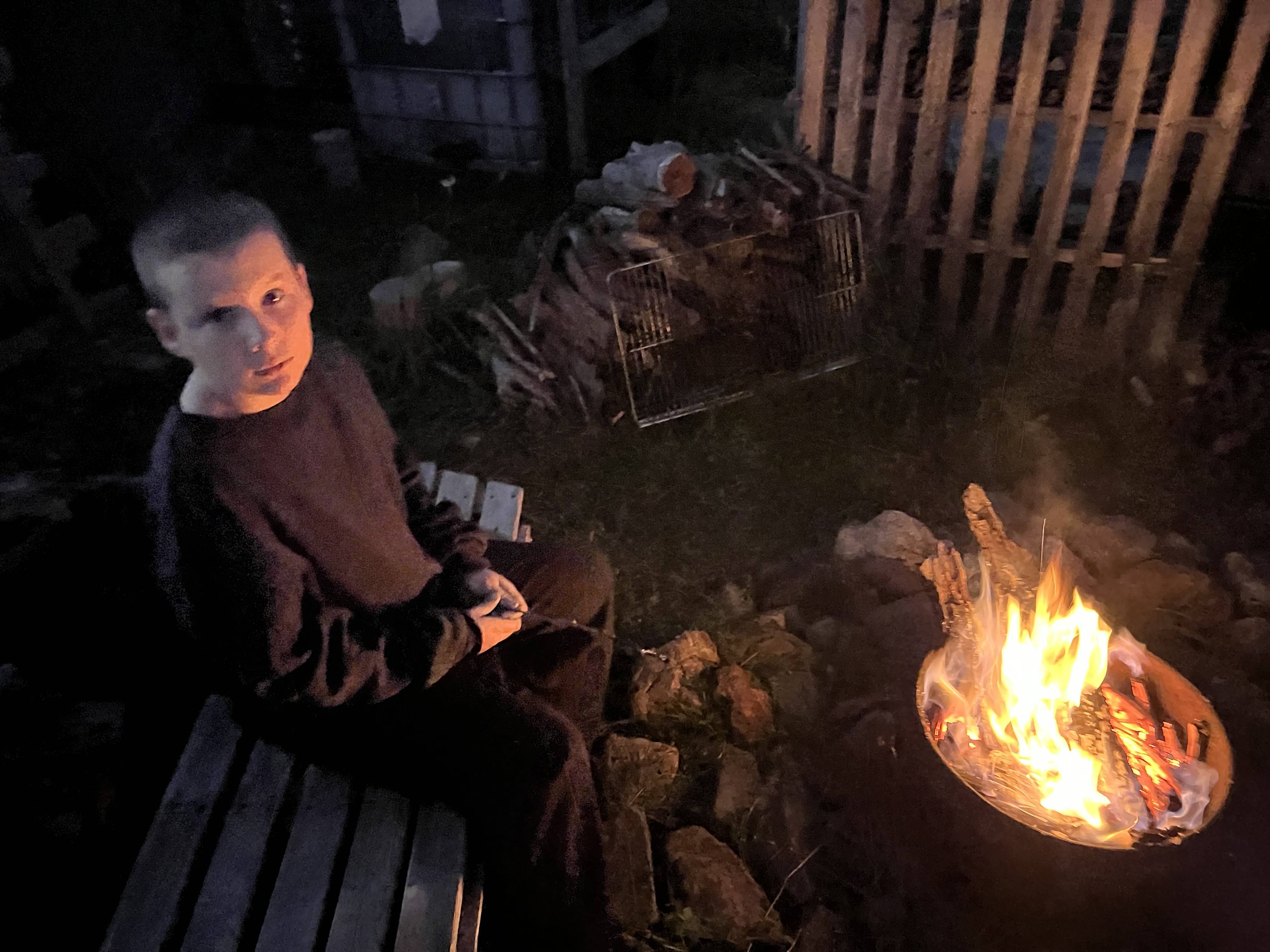
- Learned to observe and appreciate the natural interplay of light and shadow created by the fire's flames.
- Could explore how flickering firelight affects perception of colors and shapes in a dark environment.
- Developed mindfulness and sensory awareness by focusing on the visual beauty of the fire.
- Practiced creative storytelling inspired by the campfire setting and mood.
English
- Enhanced vocabulary related to nature, fire, and nighttime settings by describing the experience.
- Practiced narrative skills by recounting how the fire pit activity made him feel or what happened around it.
- Improved conversational skills through dialogue in a relaxed, informal environment.
- Could work on writing descriptive passages that evoke the senses and atmosphere.
Foreign Language
- Opportunity to learn and use fire-related terms and outdoor vocabulary in a second language.
- Practiced conversational phrases used during informal social or family gatherings around a fire.
- Developed listening comprehension skills by engaging in storytelling or chats near the fire.
- Explored cultural traditions associated with fire in different countries.
History
- Gained insight into the historical significance of fire for human survival and community bonding.
- Explored how fire was used in ancient times for cooking, warmth, and protection.
- Learned about societal rituals and traditions connected with fires and campfires.
- Could reflect on how fire technologies have evolved over time.
Math
- Practiced estimating time by observing how long the fire lasted or how quickly wood burned.
- Applied sequencing skills by organizing steps required to safely start and maintain a fire.
- Developed spatial awareness by arranging logs and stones to create a safe fire pit.
- Measured lengths or volumes related to stacking firewood.
Music
- Engaged with rhythm and sound through natural crackling and popping noises of the fire.
- Explored creating music or songs inspired by campfire settings or storytelling traditions.
- Practiced singing or playing simple instruments around the fire to enhance the mood.
- Developed appreciation for ambient sounds and their emotional effects.
Physical Education
- Enhanced fine motor skills while handling firewood or roasting items (if applicable).
- Practiced safety awareness and control over physical space in relation to fire hazards.
- Built endurance and comfort sitting still outdoors during extended relaxation periods.
- Gained self-regulation skills to remain calm and focused in a stimulating environment.
Science
- Learned fundamental concepts about combustion, heat transfer, and energy transformation.
- Observed the chemical changes that occur when wood burns, including smoke and ash production.
- Explored properties of fire such as oxygen’s role and flame behavior under different conditions.
- Understood importance of safety mechanisms to prevent accidents related to fire.
Social Studies
- Gained appreciation for social bonding and community rituals that involve campfires.
- Explored cultural differences in outdoor relaxation and fire usage practices.
- Understood family or personal traditions centered around relaxing and storytelling by fire.
- Developed respectful behavior towards shared spaces and natural resources.
Tips
To deepen the educational experience of a fire pit relaxation activity, encourage Xavier to write a creative story or poem inspired by the fire’s flickering light and warmth. Explore science experiments safely at home to understand combustion and heat, such as testing different materials for burning under controlled supervision. Introduce cultural studies by researching how various indigenous and global communities use fire in traditions, cooking, and celebrations. Engage in discussions about safety rules and environmental responsibility when handling fire. Finally, combine music and storytelling by singing campfire songs or creating soundscapes that reflect the nighttime atmosphere.
Book Recommendations
- Campfire Stories for Kids by Marie Bailey: A collection of fun, spooky, and imaginative tales perfect for reading aloud around a campfire.
- Fire: Nature’s Element by Lovisa Burfitt: An illustrated introduction to fire’s role in nature and human life, suited for young readers interested in science.
- The Night Before Campfire by Natasha Wing: A playful rhyming story about the excitement and magic of preparing for and enjoying a night by the fire.
Learning Standards
- Australian Curriculum: Science understanding (ACSSU097) - Chemical sciences and changes related to combustion.
- NSW Curriculum: PDHPE stage 3 - Safety awareness and risk management.
- Autism level 2: Promotes sensory regulation and calming strategies.
- ADHD: Encourages focus, patience, and self-control in a low distraction environment.
Try This Next
- Worksheet: Label the parts of a campfire and list safety rules.
- Writing Prompt: Describe the sights, sounds, and feelings experienced sitting by a fire pit at night.
- Science Experiment: Safely compare how different types of wood burn and note observations.
- Drawing Task: Create a detailed nighttime scene including a fire pit and natural surroundings.
Growth Beyond Academics
This activity reflects Xavier’s ability to self-regulate and find calmness in a quiet setting, which supports emotional resilience. The relaxed environment promotes mindfulness, focus, and reflection. It also suggests independence and personal responsibility, especially if safely managing fire-related tasks. There is potential for social development through storytelling and sharing experiences around the fire.