Core Skills Analysis
Science
- The student observed a living organism in its natural nighttime setting, which supports learning about habitats, adaptations, and the difference between daytime and nocturnal life.
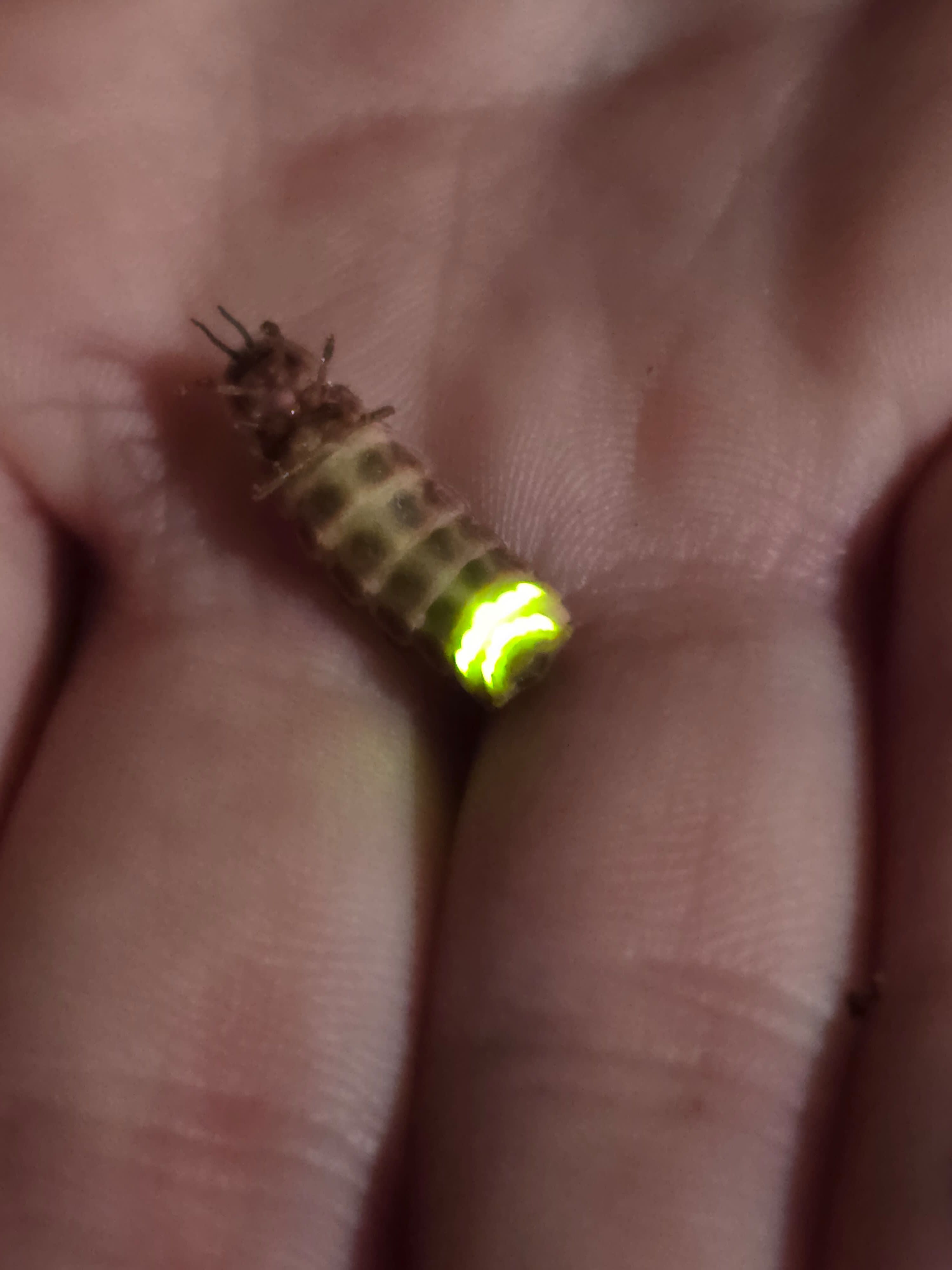
- Finding a glow-worm created an authentic connection to bioluminescence and insect behavior, helping the student notice how some animals use light for communication, defense, or attracting prey.
- Discussing global warming during the walk introduced environmental science in a real-world context, linking everyday weather and habitat changes to larger Earth systems.
- The activity encouraged careful observation and comparison: the student could notice the glow-worm’s segmented body, glow, and location outdoors, building early skills in scientific noticing and evidence-based thinking.
Tips
Use this walk as the start of a mini nature study. Invite the student to sketch the glow-worm from memory and label its visible parts, then talk about what features might help it survive at night. You could also make a simple “before and after” discussion about how global warming may change habitats, food sources, and where animals can live safely. Extend the lesson by taking another evening walk to compare what is active at dusk versus in daylight, or create a backyard/nighttime nature journal to record observations, weather, and any insects or plants seen. If possible, pair the experience with a gentle research activity about bioluminescence and local wildlife so the student can connect one small discovery to a bigger science idea.
Book Recommendations
- The Very Lonely Firefly by Eric Carle: A picture book that introduces the wonder of fireflies and glowing insects in a child-friendly story.
- National Geographic Readers: Slither, Snake! by Shelley Rotner: An accessible nonfiction read that builds observation skills and encourages curiosity about animals in nature.
- The Magic School Bus and the Climate Challenge by Joanna Cole: A kid-friendly introduction to climate change and how Earth’s systems are affected by warming temperatures.
Try This Next
- Nature journal prompt: Draw the glow-worm and write 3 observations about what you noticed in the dark.
- Quick quiz: Is a glow-worm active in the day or night? What is one way global warming can affect animals?
- Comparison chart: Day animals vs. night animals seen or discussed during the walk.
- Observation challenge: Make a list of 5 signs that show you were using your senses like a scientist outdoors.