Core Skills Analysis
Music
- Audrey completed a Grade 2 piano examination, demonstrating sustained preparation, performance, and commitment to developing her musical skills.
- The exam experience provided practice in performing for an assessor and managing the structure and expectations of a formal musical assessment.
- Celebrating with her piano teacher connected musical achievement with encouragement, reflection, and continued teacher guidance.
- The piano exam likely supported musical vocabulary, listening skills, rhythm, accuracy, and expressive performance, although the specific pieces and skills assessed are not shown.
Mathematics
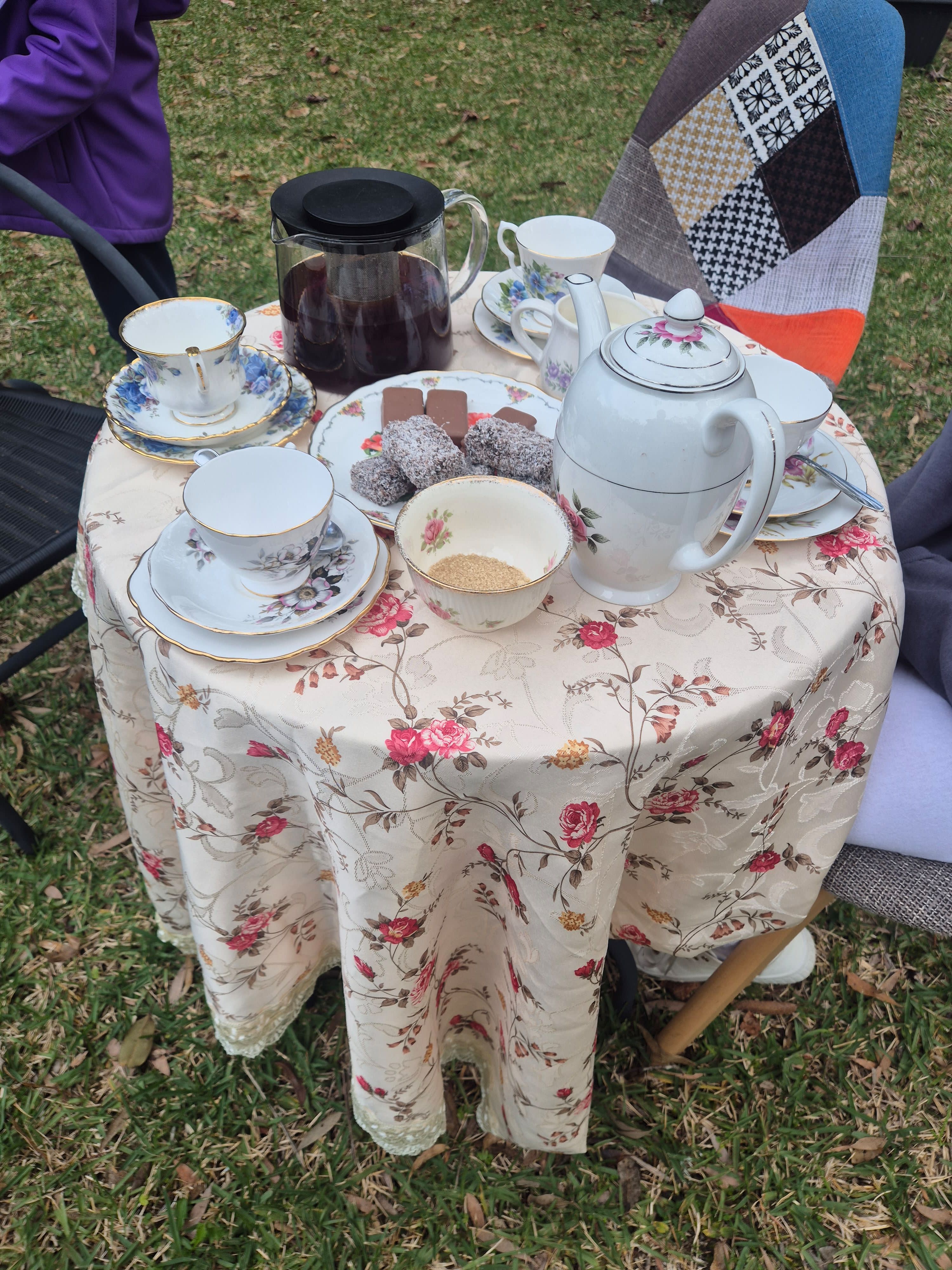
- The tea-party setting offered practical opportunities to count and match cups, saucers, plates, spoons, and guests using one-to-one correspondence.
- The different serving pieces could support sorting and classifying by shape, size, color, pattern, or function.
- Tea-party planning creates a natural context for Grade 2 addition and subtraction, such as determining how many cups are needed or how many treats remain.
- The arrangement of the table introduced informal spatial reasoning through positioning objects, noticing symmetry, and considering which items belong together.
Language Arts
- Meeting with a piano teacher in a celebratory setting encouraged conversational skills, including taking turns, listening attentively, and responding appropriately.
- Audrey could communicate about the exam experience by describing what felt easy, challenging, exciting, or surprising.
- The event provides meaningful material for a personal narrative about preparing for and completing an important milestone.
- The tea-party theme supports vocabulary development through words such as performance, practice, celebration, teacher, achievement, porcelain, floral, and arrangement.
Social Studies and Culture
- The activity showed how communities mark achievements through shared rituals such as inviting a teacher to a special tea party.
- The use of a formal table setting and vintage-style floral china created an opportunity to notice how objects, food, and etiquette can reflect social traditions.
- Audrey experienced a positive teacher-student relationship extending beyond instruction into appreciation and celebration.
- A garden tea party can introduce comparisons between family celebrations, school ceremonies, musical traditions, and other ways people recognize accomplishment.
Science and Nature
- Holding the celebration outdoors encouraged awareness of the garden environment, including grass, fallen leaves, light, weather, and nearby living things.
- The setting created an opportunity to observe how people use outdoor spaces for recreation, hospitality, and connection with nature.
- The tea and plant-themed tableware could prompt questions about where beverages, herbs, flowers, and other plant-based materials come from without assuming which ingredients were served.
- Careful observation of the garden could strengthen classification skills by grouping natural objects according to color, texture, shape, or whether they are living or nonliving.
Social-Emotional Learning
- The celebration visibly recognized Audrey's effort and completion of a challenging milestone, reinforcing the value of persistence rather than focusing only on a result.
- Sharing the occasion with her piano teacher supported feelings of gratitude, belonging, and connection.
- The event provided a calm setting for reflecting on preparation, performance nerves, pride, and future musical goals.
- The warm, carefully prepared table suggests an atmosphere of celebration and care, which can help a child associate learning with positive memories.
Tips
Tips: Turn the celebration into a short reflection lesson by inviting Audrey to draw or write three parts of her piano journey: preparing, taking the exam, and celebrating afterward. Add a practical mathematics activity by having her set the table for a chosen number of guests, calculate how many pieces are needed, and check that each place setting has the correct items. For music extension, ask her to choose one piece she enjoyed and describe its mood, dynamics, rhythm, and the practice strategy that helped her. Finally, take a brief garden observation walk and record five details about the outdoor setting, then finish with a gratitude note to her piano teacher or a simple menu card for a future tea party.
Book Recommendations
- Mole Music by David McPhail: A gentle story about a mole who discovers the joy of playing the violin, connecting with Audrey's musical practice, dedication, and the happiness music can bring.
- The Philharmonic Gets Dressed by Karla Kuskin: A beautifully illustrated look at musicians preparing for a concert, offering a playful connection to performance preparation and the teamwork behind music-making.
- Tea Party Rules by Ame Dyckman: A humorous picture book about a bear who wants to join a tea party, providing an entertaining way to discuss invitations, manners, imagination, and sharing.
Try This Next
- Create a piano-exam reflection sheet with prompts: What did I practice? What was challenging? What am I proud of? What will I try next?
- Set up a pretend tea party for a specified number of guests and complete a worksheet matching each guest with one cup, saucer, plate, spoon, and treat.
- Design a floral tea-party menu card using descriptive words and neatly formatted headings.
- Make a garden observation chart with columns for color, texture, shape, and living or nonliving.