Core Skills Analysis
Mathematics
The learner practiced spatial reasoning and coordinate thinking while playing Connect 4 and Battleship. In Connect 4, the learner recognized rows, columns, diagonals, and changing patterns as pieces were added to the grid. In Battleship, the learner used the arrangement of a grid to identify and communicate locations, connecting game play with early coordinate skills. The learner also practiced predicting how one move could change possible outcomes.
Logic and Strategic Thinking
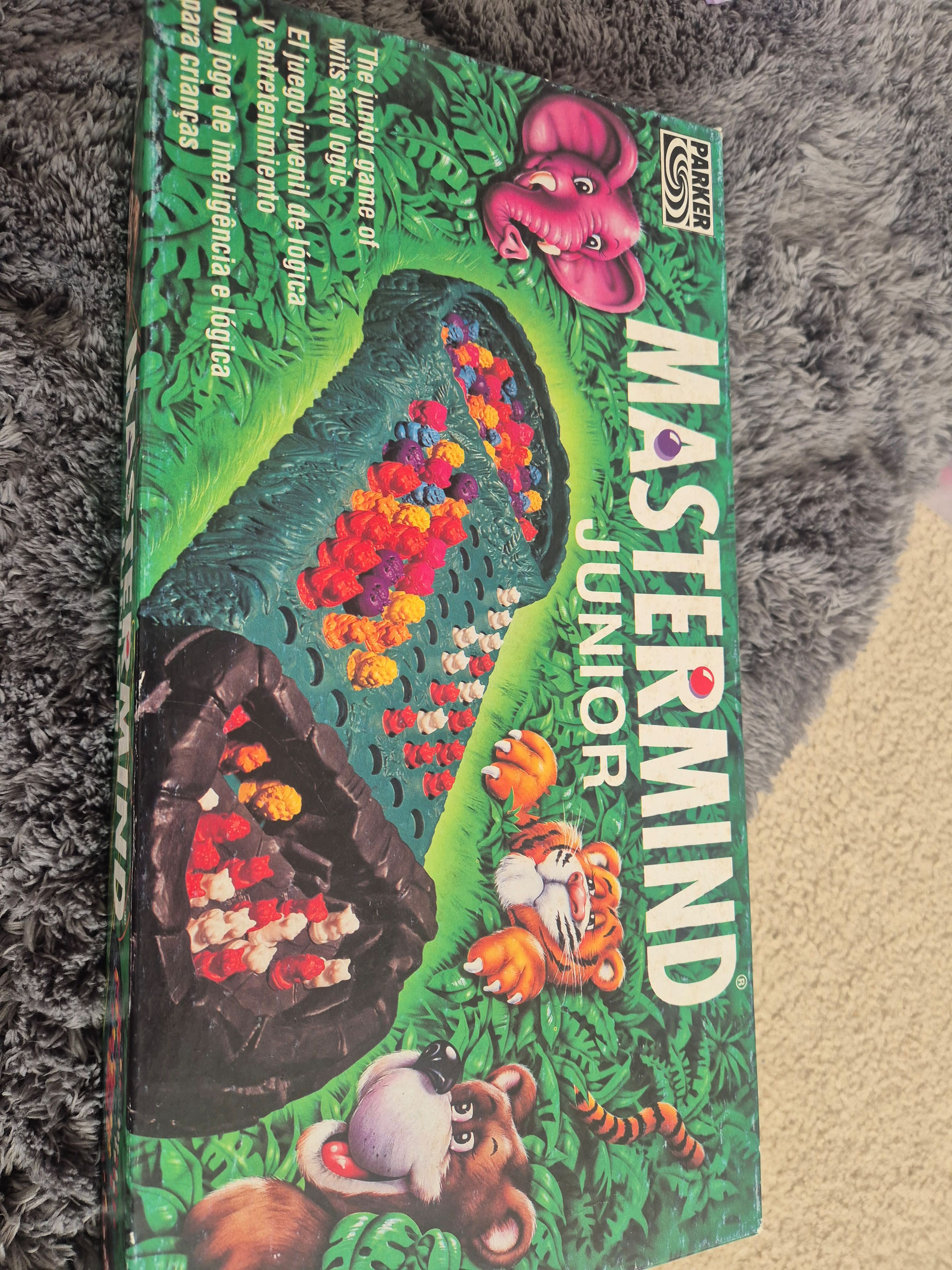
The learner developed deduction and strategic-planning skills through Mastermind, Guess Who, Connect 4, and Battleship. In Mastermind, the learner used clues to eliminate possibilities and refine guesses, while Guess Who required comparing visible features and asking questions to narrow the choices. Connect 4 encouraged the learner to look for immediate winning patterns while also blocking an opponent, and Battleship involved planning, testing possibilities, and adjusting a strategy after each result. These games required careful attention, flexible thinking, and problem solving.
Language Arts
The learner practiced oral communication and precise vocabulary while asking and answering questions during Guess Who and explaining moves in the other games. Guess Who encouraged the learner to describe characteristics, understand yes-or-no questions, and use information to make an inference. Mastermind and Battleship also required the learner to listen carefully to feedback and communicate locations or clues clearly. The learner strengthened conversational turn-taking and the ability to explain reasoning.
Social-Emotional Learning
The learner practiced following rules, taking turns, managing uncertainty, and responding to both successful and unsuccessful guesses while playing several structured games. Each game required patience because the learner had to wait, observe results, and continue making decisions rather than acting randomly. Playing a variety of games also gave the learner opportunities to adjust to different rules and strategies. The activity supported persistence, self-control, and respectful interaction with a play partner.
Tips
Tips: Turn the games into a short investigation by having the learner record guesses, clues, and outcomes in a simple chart, then discuss which choices were most useful. Create a homemade grid and let the learner design a new Battleship-style game using symbols, letters, or numbers, followed by a coordinate scavenger hunt around the room. For Guess Who, invite the learner to write descriptive clues for an animal from the jungle-themed image and challenge someone else to identify it. After each game, ask the learner to explain one strategy that worked, one choice they would change, and one rule they would add to create a new version.
Book Recommendations
- The King's Chessboard by David Birch: A clever story about a chessboard and doubling patterns that connects strategy games with mathematical thinking.
- The Most Magnificent Thing by Ashley Spires: A humorous story about planning, persistence, frustration, and revising ideas when a project does not work at first.
- The Great Paper Caper by Oliver Jeffers: A mystery that invites readers to notice clues, make deductions, and revise conclusions—skills closely related to Mastermind and Guess Who.
Try This Next
- Make a strategy chart with columns for game, goal, clue or pattern, chosen move, and result.
- Create a 5-by-5 Battleship grid and write five coordinate-based quiz questions, such as 'Which object is at B4?'
- Write six yes-or-no Guess Who clues for an animal shown in the uploaded jungle-themed image.
- Design a new Connect 4 rule that uses colors, numbers, or animal symbols, then test whether the rule changes the strategy.