Core Skills Analysis
Science
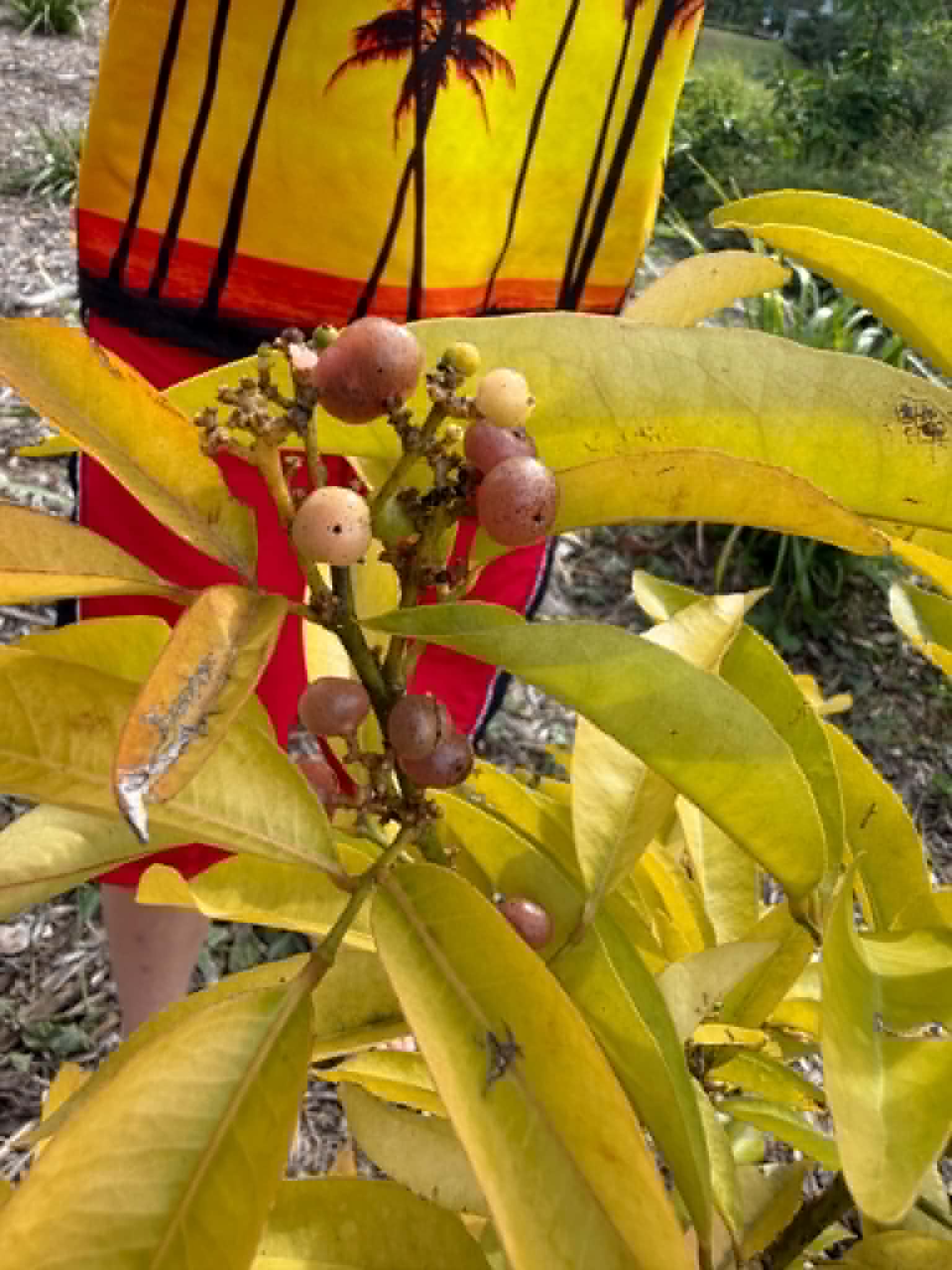
- Rhydan observed a range of local flora in a real outdoor environment, developing skills in noticing differences in leaves, stems, berries and other plant features.
- Rhydan connected plant features with human use by discussing how particular plants can provide food and other resources.
- Trying small edible berries provided a sensory way for Rhydan to investigate plants, while also highlighting the importance of correct identification and safe practice before eating anything found outdoors.
- The activity introduced ecological thinking by showing that plants are part of both natural environments and human communities.
History and Cultural Studies
- Rhydan explored how people in different cultures have used local plants as food sources throughout history.
- The discussion helped Rhydan understand that knowledge about plants can be passed through communities and connected to local environments.
- Rhydan began considering how available natural resources influence the ways people live, gather food and understand their surroundings.
- The activity encouraged respectful curiosity about cultural practices rather than treating plant use as only a scientific topic.
English and Literacy
- Rhydan practised reading informational material about different varieties of flora and their uses.
- The activity developed subject-specific vocabulary, including words connected with plants, food sources, varieties, cultures and historical use.
- Rhydan had opportunities to connect written information with direct observation, strengthening comprehension through real-world evidence.
- Discussing observations and cultural connections supported oral language skills, including explaining ideas and listening to different perspectives.
Geography and Environmental Learning
- Rhydan investigated a local place and considered how its plants are connected to the characteristics of that environment.
- The bush resource garden demonstrated how people interact with places and use locally available resources.
- Rhydan developed an understanding that environments can have social, cultural and practical significance, not just visual or recreational value.
- The experience encouraged place-based learning by linking a nearby landscape with food, history and community knowledge.
Personal and Social Capability
- Rhydan showed curiosity and willingness to explore unfamiliar natural materials through careful observation and tasting.
- Participating in discussion about different cultures supported respectful listening and appreciation of perspectives beyond personal experience.
- The outdoor investigation encouraged patience, attention to detail and confidence in asking questions about the living world.
- The activity provided a meaningful opportunity for Rhydan to connect learning with a shared, hands-on experience.
Tips
Tips Begin by creating a field journal in which Rhydan sketches each observed plant, records visible features and writes questions about how people use it; avoid naming or tasting any plant unless a knowledgeable adult has confirmed its identity and safety. Next, make a simple comparison table showing plant features, possible uses, cultural connections and evidence from the reading. Extend the history learning by researching one documented example of traditional plant use from a reliable museum, botanic garden or Indigenous knowledge resource, taking care to distinguish local cultural knowledge from general information. Finally, revisit the garden at a different time of year and compare photographs or drawings to investigate seasonal change.
Book Recommendations
- A Seed Is Sleepy by Dianna Hutts Aston: A richly illustrated introduction to seeds, plant diversity and the ways plants develop, complementing Rhydan's close observation of local flora.
- We Are Water Protectors by Carole Lindstrom: A thoughtful story about caring for the natural world and respecting the relationships between people, place and living things.
- The Lorax by Dr. Seuss: A memorable environmental story that prompts discussion about resources, human choices and responsibility for plant and animal habitats.
Learning Standards
- Science – ACSSU073: The activity connects with the idea that living things depend on each other and on the environment, as Rhydan examined plants within a local setting and considered their relationship with people.
- Science Inquiry – ACSIS232: Rhydan made observations, discussed evidence from the garden and reflected on what was learned through direct investigation.
- English – ACELY1717: Reading information about flora and explaining observations supports planning and presenting spoken or written responses for an audience.
- English – ACELY1718: The activity builds interaction skills through discussion, listening and sharing ideas about plant use and cultural practices.
- History – ACHASSK086: Discussion of how people from different cultures used plants as food in history supports investigation of how the past is understood through cultural practices and sources.
- Geography – ACHASSK087: Exploring a local bush resource garden supports understanding of how people are connected to, use and care for places and environments.
- Cross-curriculum priority: The activity can respectfully support the Australian Curriculum priority of Aboriginal and Torres Strait Islander Histories and Cultures when plant knowledge is studied through authoritative sources and the relevant community's cultural protocols are acknowledged.
Try This Next
- Field-journal worksheet: draw three observed plants and label visible features such as leaf shape, colour, stem and berries.
- Classification challenge: sort recorded observations into categories such as leaf, flower, fruit or seed, using evidence rather than guesses.
- Research prompt: write a short explanation of how one reliably documented plant has been used as food by a particular community or culture.
- Safety quiz: explain why a wild berry should never be eaten without expert identification and adult permission.