Core Skills Analysis
Life Science
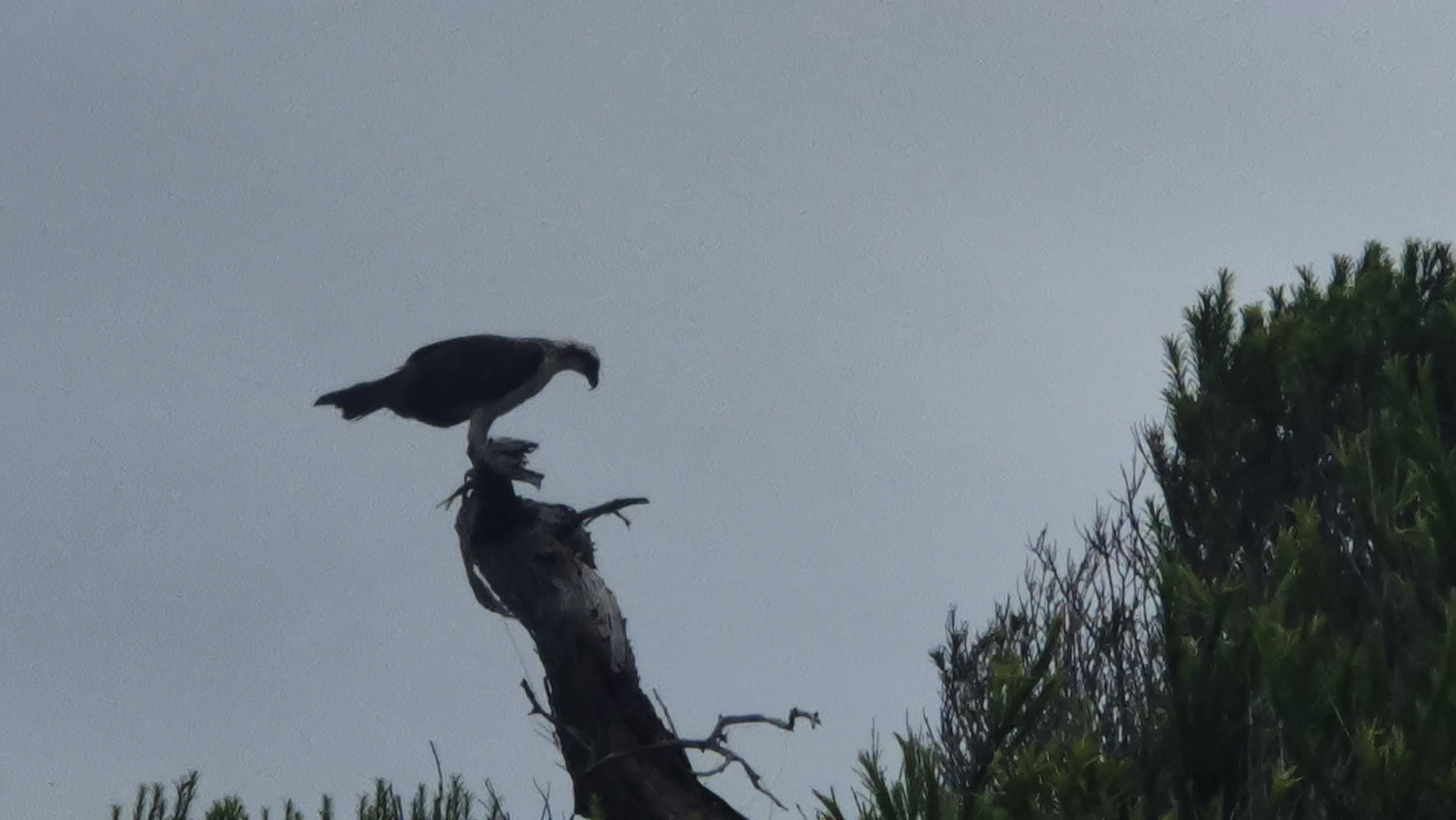
- The child observed several kinds of marine and coastal wildlife, including a seal, a whale, dolphins, and an osprey.
- Watching dolphins catch fish and an osprey catch and eat a fish offered real-world examples of animals finding and eating food.
- The sightings helped connect individual animals to the coastal habitats where they live.
- Conversation about conservation introduced the idea that people can help protect wildlife and natural environments.
Earth and Ocean Science
- The child discussed weather patterns and how weather affects the ocean, linking conditions in the atmosphere with changes in the marine environment.
- The beach and coastal hike provided a firsthand setting for noticing the relationship between land, ocean, and weather.
- The activity encouraged observation of the natural world as a connected system rather than as separate features.
Geography and Environmental Studies
- The child explored the landscape of Port Stephens and discussed features of this coastal region.
- Seeing wildlife in its natural surroundings helped connect animals with the places and environments they inhabit.
- Talking about conservation brought attention to caring for coastal places and the living things found there.
Language Arts and Communication
- The child used conversation to share and develop ideas about the natural world, local landscape, animals, conservation, and weather.
- Discussing observed events—such as dolphins catching fish and an osprey eating a fish—created opportunities to describe actions and relationships.
- The activity offered practice connecting firsthand observations with explanations about nature.
Tips
Tips Turn the outing into a short coastal field study: invite the child to sketch or describe the animals and landscape they remember, then look together at a map of Port Stephens to locate the coast. Keep a simple weather-and-ocean journal on another beach visit, recording the weather and what the ocean looks and sounds like, and compare observations over time. Build on the feeding sightings by drawing a small food-chain diagram showing fish and the animals that caught them, using only relationships discussed or confirmed through a reliable wildlife resource. Finally, choose one practical conservation action—such as following local wildlife-viewing guidance or picking up litter—and talk about how it helps protect coastal habitats.
Book Recommendations
- Over and Under the Waves by Kate Messner: A richly illustrated story about coastal life that invites readers to notice the animals and habitats connected to the ocean.
- National Geographic Little Kids First Big Book of the Ocean by Catherine D. Hughes: An accessible introduction to ocean animals and habitats that can extend the child's wildlife observations.
- The Brilliant Deep: Rebuilding the World's Coral Reefs by Kate Messner: A picture-book biography about coral reef restoration that offers a thoughtful connection to conservation and caring for marine environments.
Try This Next
- Wildlife field-note sheet: draw each animal spotted and add one observed action or habitat detail.
- Weather-and-ocean journal: record the day's weather and make a quick sketch of the sea on a future visit.
- Food-chain drawing: illustrate the fish-catching interactions observed and label each animal.
- Conservation reflection prompt: “What is one way people can help protect coastal wildlife?”