Core Skills Analysis
Science: Wildlife and Animal Behavior
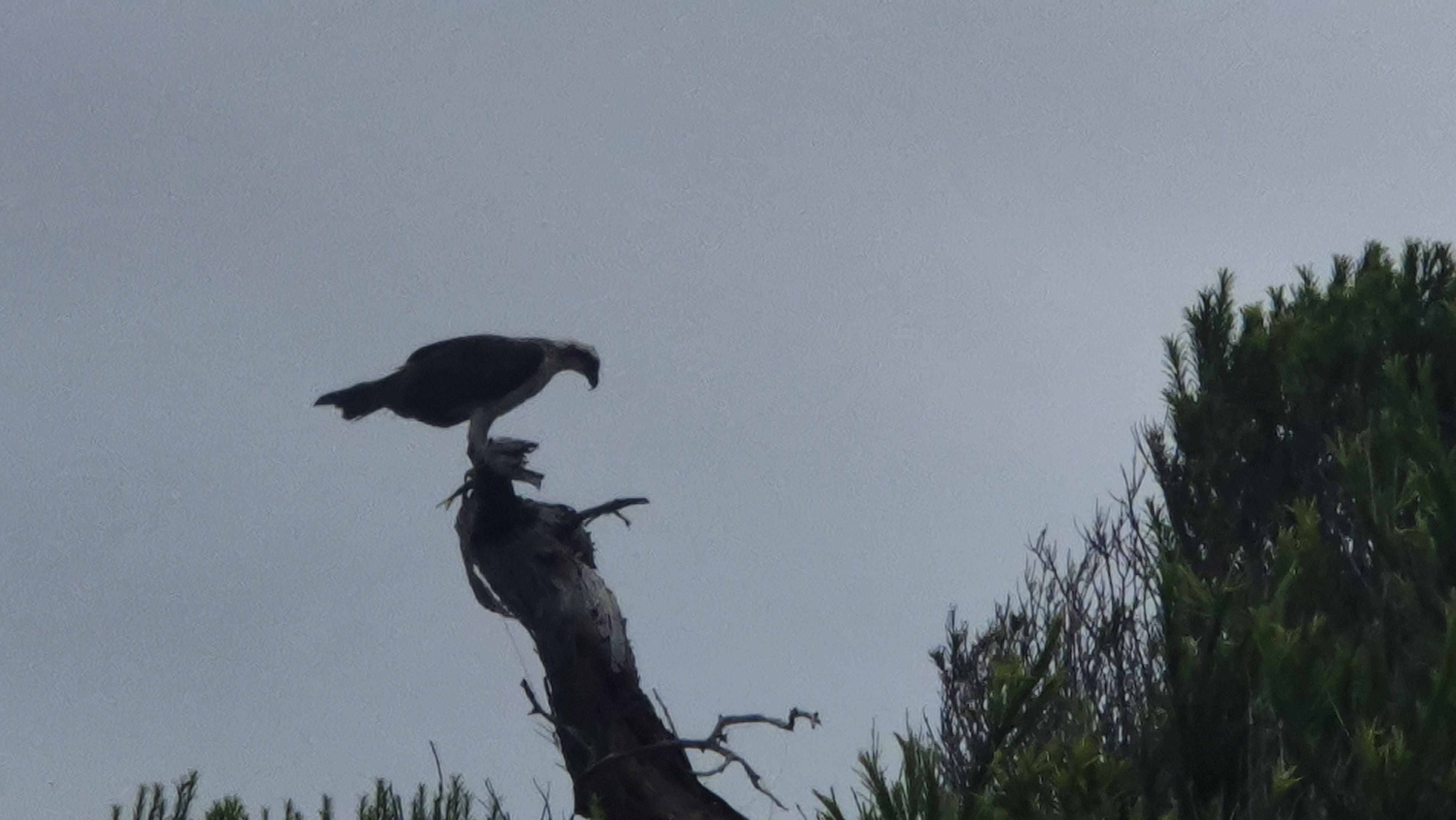
- Observed a seal, a whale, dolphins, and an osprey in their coastal environment, connecting real-life wildlife sightings with animal study.
- Noticed feeding behavior firsthand: dolphins catching fish and an osprey catching and eating a fish.
- Explored how different animals use the coastal environment, including the ocean and shoreline, as places to live and find food.
- The wildlife spotting and discussion suggest the child was practicing curiosity and close observation of living things.
Geography
- Connected the outing to the landscape of Port Stephens, learning about a specific coastal place through direct experience.
- Explored the relationship between the beach, coast, and ocean as parts of a local landscape.
- Built a sense of place by discussing the area’s landscape alongside the animals found there.
Earth and Ocean Science
- Discussed weather patterns and how weather affects the ocean, linking conditions in the atmosphere with changes in the coastal environment.
- Considered the ocean as a changing natural system influenced by weather rather than as a separate, static feature.
- Used a beach day and coastal hike as a real-world setting for thinking about connections between weather, land, and sea.
Environmental Studies and Conservation
- Talked about conservation in relation to the natural world and wildlife encountered around Port Stephens.
- Connected individual animal sightings with the importance of caring for coastal habitats and the living things that depend on them.
- Practiced noticing local nature as a starting point for thinking about human responsibility toward the environment.
Tips
Tips Extend the outing into a simple coastal field journal: invite the child to sketch or describe the animals and landscape they remember, then add the date and weather. Use a local map to trace the Port Stephens coast and identify the beach, nearby landforms, and ocean. Compare a calm-day and windy-day ocean using observations from a safe shoreline viewpoint, discussing what appears to change and what questions remain. Finally, choose one local conservation topic to explore together and create a small action or awareness poster that explains why coastal habitats matter.
Book Recommendations
- Over and Under the Waves by Kate Messner: A richly illustrated story that explores the life and interconnected wildlife of a coastal ocean ecosystem.
- Whales by Seymour Simon: An accessible nonfiction introduction to whales, connecting well with the whale sighting on the coastal outing.
- Dolphins by Seymour Simon: A clear, engaging nonfiction book about dolphins and their lives in the ocean.
Try This Next
- Field-journal page: draw the seal, whale, dolphins, and osprey, and add one observation about each.
- Food-web prompt: illustrate how fish connect the ocean animals observed, including the dolphins and osprey.
- Weather-and-ocean observation chart: record the day’s weather and what the child notices about the sea from a safe viewpoint.
- Map activity: mark Port Stephens and sketch the coast, beach, land, and ocean.