Core Skills Analysis
Science: Marine and Coastal Wildlife
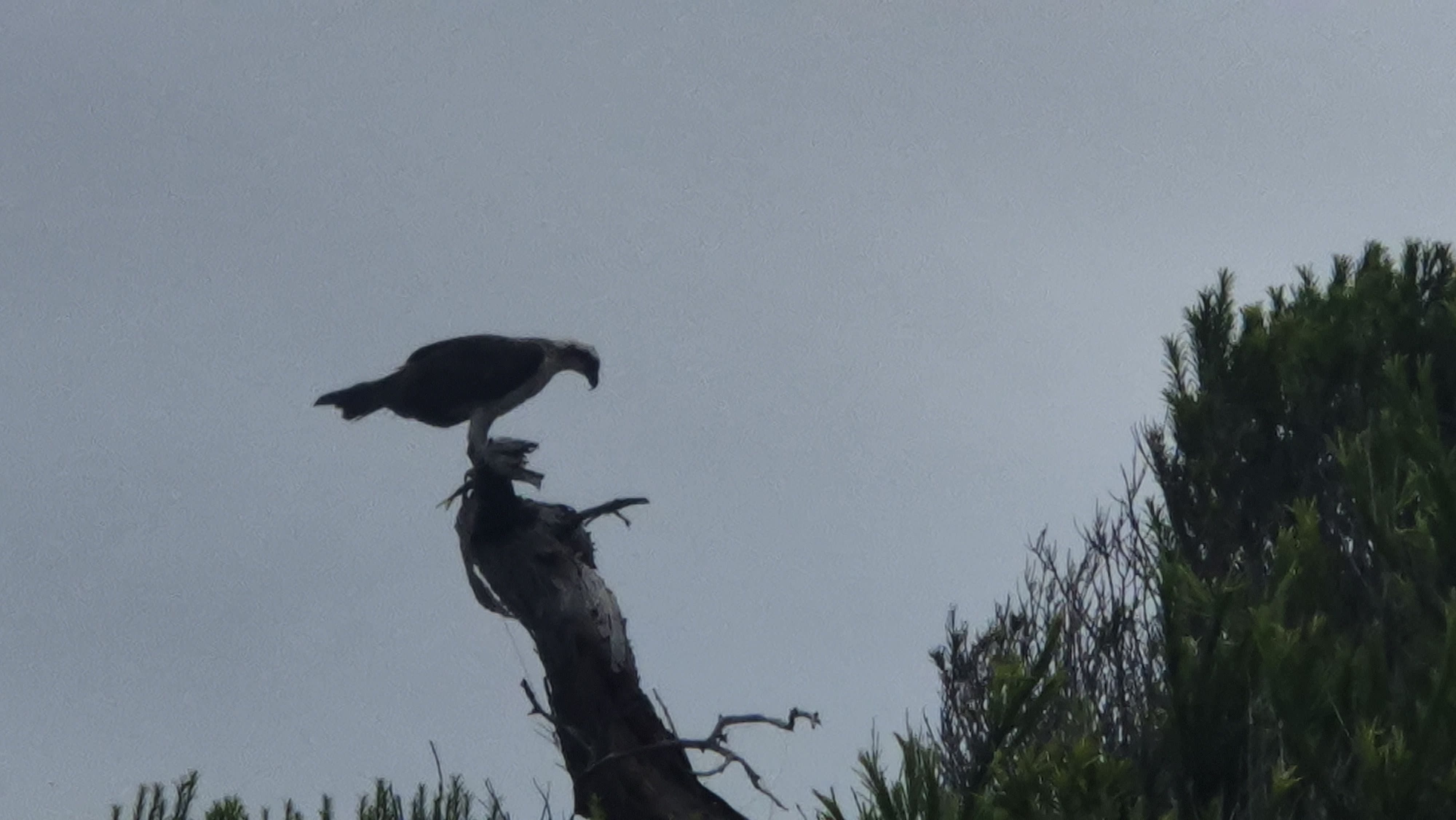
- The child observed a seal, a whale, dolphins catching fish, and an osprey catching and eating a fish, connecting real animal sightings with how wildlife behaves.
- The sightings provided examples of feeding relationships: dolphins and the osprey were seen catching fish, illustrating how animals obtain food in a coastal ecosystem.
- Discussing the natural world in Port Stephens encouraged the child to notice and think about the wildlife associated with a particular place.
- The activity suggests curiosity and sustained attention to wildlife, especially through noticing animals and their actions outdoors.
Geography: Coastal Landscapes
- The child explored a beach and coastal walking area, experiencing the landscape directly rather than only through pictures or descriptions.
- Talking about Port Stephens helped connect the place’s coastal setting with the animals observed there.
- The beach visit and coastal hike offered an opportunity to notice how land and ocean meet within a local environment.
Environmental Studies and Conservation
- The child discussed conservation in connection with the natural world and wildlife encountered during the outing.
- Seeing several kinds of animals in their coastal setting gave a concrete context for considering why protecting habitats and wildlife matters.
- The activity connected local observation with care for the environment, supporting awareness of how people relate to the places and animals around them.
Weather and Ocean Science
- The child discussed weather patterns and how weather affects the ocean, linking conditions in the atmosphere with changes in the marine environment.
- The beach setting made the relationship between weather and ocean a tangible topic to explore during the outing.
- The discussion introduced the idea that ocean conditions are influenced by changing weather, building a foundation for further observation of coastal conditions.
Tips
Tips Turn the outing into a mini field study by inviting the child to sketch or describe the coastline and record which animals were spotted, along with what each was doing. Look up one animal together and compare its feeding behavior or habitat with what the child observed. On another day, keep a simple weather-and-ocean journal: note the weather, observe the water and shoreline safely, and discuss any patterns noticed over time. To extend the conservation conversation, choose one local wildlife or habitat protection effort to learn about and create a small poster sharing one practical way people can care for coastal places.
Book Recommendations
- National Geographic Little Kids First Big Book of the Ocean by Catherine D. Hughes: An accessible illustrated introduction to ocean animals and habitats that can help the child revisit the marine wildlife discussed during the outing.
- The Big Book of the Blue by Yuval Zommer: A richly illustrated exploration of ocean life, offering an inviting way to extend conversations about sea animals and their environments.
- Over and Under the Waves by Kate Messner: A lyrical picture book that explores life above and beneath the ocean surface, connecting well with a beach visit and coastal wildlife observations.
Try This Next
- Wildlife field-note sheet: draw each animal spotted and record its location and observed behavior.
- Food-web sketch: connect fish with the dolphins and osprey observed catching fish.
- Weather-and-ocean journal: make a simple daily entry about the weather and observed coastal conditions.
- Conservation poster prompt: illustrate one way people can help protect coastal wildlife and habitats.